


Though pulmonary edema is relatively common, with over 1 million people in the U.S. affected annually, it is usually related to heart failure or lung disease. However, two other forms of pulmonary edema, high‑altitude pulmonary edema (HAPE) and immersion pulmonary edema (IPE), can affect even healthy, physically fit people. This is because the pressure that occurs due to changes in the environment can cause rapid buildup of fluid in the lungs that interferes with breathing and oxygen exchange. The symptoms often develop quickly and can be mistaken for fatigue, asthma or drowning, which can put you at risk as early identification and treatment can be the difference between life and death. We spoke with Dr. Garfield about these less common forms of pulmonary edema, how to recognize them and protect ourselves from the possible life-threatening effects.
What is High‑Altitude Pulmonary Edema?
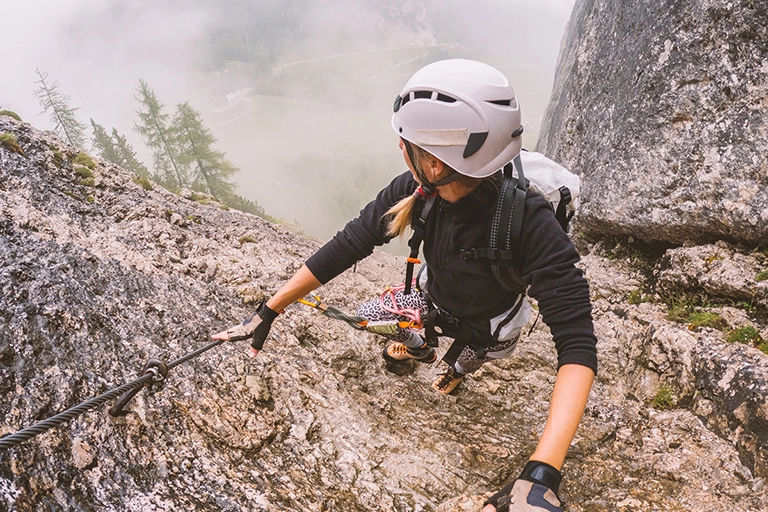
High‑altitude pulmonary edema (HAPE) is a severe form of altitude sickness that can quickly become life-threatening. This can be a risk for hikers and climbers who quickly ascend to high elevations, usually above 8,000 feet. “Gradual ascent is the primary prevention method,” said Dr. Garfield. As any hiker will tell you, the higher you climb the thinner the atmosphere gets, and this lower oxygen pressure can make it harder to draw enough air into your lungs. This reduced pressure outside results in less oxygen entering the bloodstream, which in turn causes the blood vessels in the lungs to tighten and the pressure inside the vessels to rise.
Referred to as hypoxic pulmonary vasoconstriction, this condition is not a problem unless the body is not given time to adjust to the increased pressure in the lungs. Heavy exertion at these high altitudes and using alcohol or any sedative that could suppress breathing, can increase your risk. When that happens, the increased pressure damages the thin walls of the alveoli (air sacs), allowing fluid to leak into the space where air should be. The more fluid that fills the lungs, the more impaired gas exchange becomes, resulting in less oxygen being delivered to the body. If untreated, HAPE can worsen rapidly and quickly become fatal due to severe oxygen deprivation.
However, people who notice the signs and symptoms early and get immediate treatment typically make a full recovery and have no permanent lung damage. “The condition usually occurs 2-4 days after the climb and progresses from reduced exercise tolerance and dry cough to shortness of breath even at rest, cyanosis (bluish discoloring of the skin, lips of nails) and pink frothy sputum,” Dr. Garfield explained.
The main treatment is to descend to a lower altitude as soon as possible. Depending on severity, your healthcare provider may suggest supplemental oxygen or medication to aid breathing. Most importantly, you will need plenty of rest to allow your body to heal. “Similar to other types of pulmonary edema, individuals with prior HAPE history face 60% recurrence risk with rapid ascent so a doctor may prescribe pulmonary vasodilators starting the day before ascent and continuing 4-7 days after.”
What is Immersion Pulmonary Edema (IPE)?
Immersion pulmonary edema (also known as swimming- or diving-induced edema) occurs when a shock to the system, like being submerged in cold water, causes the fluid and pressure in the blood vessels in the lungs to shift in a dangerous way. Unlike drowning, IPE does not involve actually inhaling water. Instead, blood rushes to the lungs from the legs and abdomen, which increases pressure in the lungs’ blood vessels causing fluid to leak into the alveoli (air sacs). This lung fluid accumulation impairs oxygen exchange, and symptoms similar to classic pulmonary edema. They include breathlessness, cough, frothy or bloody sputum, and potentially even the loss of consciousness.

Decompression sickness and lung barotrauma are two other lung related problems that can occur when scuba divers return to the water surface too quickly, causing the change in pressure to strain the lungs. Unlike these other conditions, IPE primarily affects surface swimmers like snorkelers or competitive swimmers. The combined effects of immersion, cold‑induced vasoconstriction, tight wetsuits and vigorous exercise are thought to be the biggest risk factors. “Unlike HAPE, the mechanism is primarily hydrostatic, relating to pressure exerted on the blood flowing through the pulmonary arteries rather than hypoxia-driven,” Dr. Garfield explained.
Data from Swedish open-water swimming, military trainee and triathlon studies suggest that though anyone can be affected, using proper thermal protection and avoiding sudden immersion into very cold water can greatly reduce risk. Gradual warming‑up, pacing exercise and avoiding panic or intense effort early in a swim is also beneficial. “Risk factors for IPE are less well-defined than for HAPE, though it is recognized as an emerging clinical entity affecting swimmers and divers,” Dr. Garfield continued.
The primary treatment includes getting the person out of the water and warming them up. Supplemental oxygen or treatment for respiratory distress may also be necessary, which is why it is important to ensure that anyone with IPE sees a doctor as soon as possible. “Patients should seek immediate medical attention for sudden onset of severe shortness of breath, inability to breathe when lying flat, or respiratory distress, as any type of pulmonary edema is a medical emergency requiring prompt intervention,” Dr. Garfield concluded.
High‑Altitude Pulmonary Edema (HAPE) and Immersion Pulmonary Edema (IPE) are serious conditions that show how quickly the lungs can be overwhelmed by extreme environments. Whether caused by low oxygen at high elevations or pressure and fluid shifts during water immersion, both conditions interfere with normal breathing and oxygen delivery. Because symptoms can appear suddenly and become life‑threatening, early detection and quick action is key. By using the prevention strategies talked about above, however, there is no reason hikers, swimmers and athletes can’t enjoy their favorite activities more safely.
Learn more about the causes and risk factors of pulmonary edema on our blog.


Blog last updated: April 8, 2026
